Building products with cultural relevance is the difference between a gadget that gets used and one that gets abandoned. Every product lands inside someone's daily rituals; how they cook, carry, clean, celebrate, and care for the people around them. Design that ignores those rituals produces technically excellent products that feel foreign in the hand. Design that studies them produces products people defend, recommend, and keep.
Cultural relevance in product design means a product fits the rituals, expectations, and environments of the people it's designed for; from serving sizes and sounds to materials and symbolism, rather than assuming one global default user.
We've seen this firsthand across 21 industries. When we designed the Dostea tea maker, the brief wasn't "make a kettle", it was to automate the specific ritual of Indian chai: the boiling milk, the timing, the sequence a chai-drinker's muscle memory expects. Get that wrong and no amount of engineering saves the product. Get it right and the machine feels less like an appliance and more like a family member who learned to make tea properly.
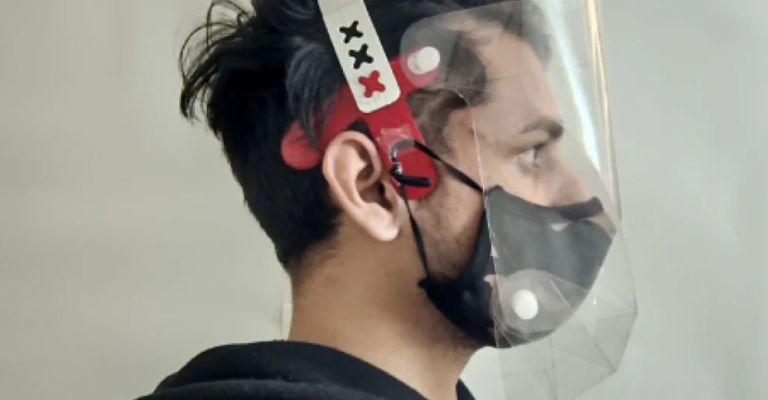
The same discipline applies in reverse when we design for the US. During the peak of COVID-19, we built a face shield for the American market, where frontline workers were pulling 12-hour shifts with masks and shields hanging off their ears. The cultural insight wasn't aesthetic; it was about the reality of US shift work. Our over-head strap system moved the load off the ears entirely, because understanding how American healthcare workers actually lived through those months mattered more than any styling decision.
The same principle scales globally. A kitchen appliance designed for American counters fails in compact Asian kitchens. A backpack designed for European commutes needs rethinking for humid climates and crowded transit. Cultural relevance isn't decoration applied at the end, it's a research discipline applied at the start.
How to build cultural relevance into your product
- Study the ritual, not just the task. Ten users performing the real routine in their real environment beats a hundred survey responses.
- Identify the non-negotiables. Every culture has details users won't compromise — the sound, the sequence, the serving size. Find them before you freeze the design.
- Prototype in context. Test the looks-like prototype in the actual kitchen, commute, or clinic — not the studio.
- Design for local manufacturing realities too. Materials and finishes carry cultural meaning, and they also determine what your factory can deliver at cost.
This is the discipline our concept design process is built on
The rest of this article goes deeper into how local perspective shapes industrial design and why the world's best-loved products are almost always culturally fluent first, technically impressive second.
Every so often, we come across stories and case studies of how successful products failed when entering a new market or country, possibly a problem of cultural influences on design. McDonald’s is a leader in global expansion, but it holds only half as much market share in China as KFC does. The reason? McDonald’s refused to adapt to the local Chinese market in which burgers were alien but fried chicken was more familiar.
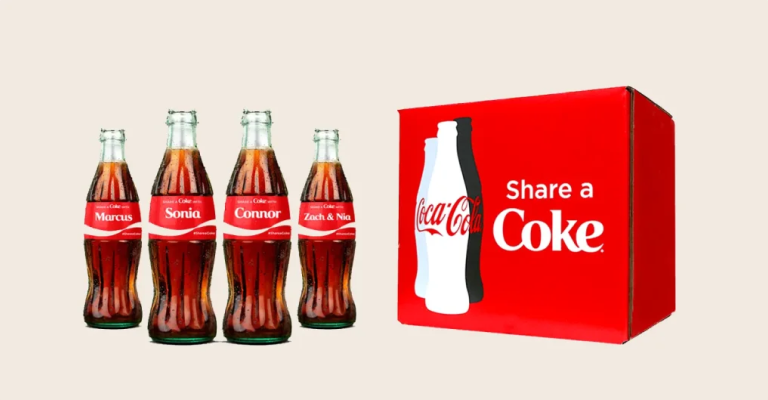
Coca Cola’s “Share a Coke” marketing campaign identified and printed the top 150 popular names of the local country on cans and bottles to attract new customers. This campaign was mostly successful but landed Coca Cola in hot soup when the campaign was launched in Israel, where people’s names, cultural identities, religions and ethnicities are tightly woven. The company faced accusations of not printing any Arabic name among the popular Israeli names.
All these product failures share a common thread – a lack of understanding of the local culture. Industrial designers work on creating physical products that are a source of increased sales, leading to better margins, greater market share, increased brand value, and better returns on investment. These products are launched across a large range of locations and geographies, used by people that fall into all kinds of demographics. It is crucial to understand the local culture, language, tradition and audience for whom the product is designed. Let’s explore some of the ways culture influences the design of products.
The role of cultural differences in industrial design
Taking cultural differences into account, industrial designers can create products that are not only functional but also culturally appropriate, which can lead to increased adoption, sales and brand loyalty. Designing products that are culturally sensitive and inclusive can help to foster greater understanding and appreciation of different cultures.
An easy way to see the impact of culture in design is to look at simple products like notebooks and other stationery across different regions on the planet. While most of the world’s languages are written from left to right, Arabic is written from right to left. This changes the design of pages and notebooks used in the Middle East. Another major market – Japan, uses writing that’s read from top to bottom. Keeping such cultural differences in mind while designing the product helps the product perform better financially as well as socially.
The growth of industrial design is highly influenced by culture, as designers need to consider cultural values, beliefs, and preferences when creating products. Cultural differences can affect the design of products in terms of their aesthetics, materials, and functionality. A product that is well-suited for one culture may not be suitable for another culture, depending on factors such as local tastes, customs, and lifestyles. Designers must be aware of these cultural differences and adapt their designs accordingly to ensure that their products are relevant and appealing to consumers in different cultural contexts.
When products fail culturally: three expensive lessons
Cultural relevance isn't a nice-to-have, ignoring it has burned some of the world's most sophisticated companies.
1. Kellogg's arrived in India in 1994 expecting to repeat its global playbook. But Indian breakfast culture runs on hot milk and hot milk turns cornflakes into mush in seconds. The product physically failed the local ritual, and a decade of disappointing sales followed until the company reworked both product and positioning.
2. IKEA's first attempt at Japan went worse: it entered in 1974 and withdrew entirely by 1986. Japanese homes were smaller than the furniture assumed, and self-assembly, the heart of IKEA's model, clashed with local expectations of finished quality. When IKEA returned in 2006, it came with resized products and a rethought experience, and it worked.
3. Oreo tells the redemption version of the same story. For nearly a decade after its 1996 China launch, the cookie underperformed — too sweet for local palates, packaged too large at too high a price. Instead of retreating, the team redesigned the product itself: less sugar, new formats, smaller packs. Oreo went on to become one of China's best-selling biscuits.
The pattern across all three: the product worked perfectly. The ritual around it was wrong. That's the difference between exporting a product and designing for a culture, and it's a difference you can only discover by studying how people actually eat, build, and live before you freeze the design.
Here are some ways that culture has impacted the growth of industrial design:
- Aesthetics: American muscle cars have heavy straight lines with a flat front end, while European supercars have softer curves with a sharp front end.
- Functionality: A car’s interiors, dashboard, gear shifter and stereo set has to be designed keeping in mind the country it is being used in. Countries like Australia, UK, India, Japan and Singapore follow left hand driving, while other countries like USA, Canada, Russia and France follow right hand driving.
- User Experience: Japan is famous for having some of the best designed toilets in the world. A similar, highly automated system with an entire panel of buttons may not work as well in countries with water scarcity or with cultures that are slow to adopt new technologies.
- Sustainability: Cultures that have developed in tropical countries have often developed ingenious methods of using plant products. In South East Asian countries like India, Sri Lanka, Malaysia and Indonesia, using banana leaves as plates and eating off the leaves is common practice. Such a product may not have high adoption rates in Western countries due to concerns about cleanliness and hygiene.
- Social Responsibility: Cash register machines designed for restaurants in North America often have an option to include a tip for the waiter. In these countries, tipping is considered an act of social responsibility to support the livelihood of service staff like waiters. In other countries where tipping isn’t seen as a necessity, using a similarly designed cash register may lead to confusion and misunderstanding.

Cross cultural design plays a vital role in shaping how we develop products and services, and designers must factors that influence consumer preferences and behavior into account, in order to create successful products and services in different cultural contexts. Cultural differences play a critical role in industrial design, as they can impact how products are perceived, used, and adopted in different contexts. Industrial designers need to be aware of these differences and design products that are relevant and meaningful to users.
For example, cultural differences can affect the design of products in terms of their aesthetics, materials, and functionality. A product that is well-suited for one culture may not be suitable for another, depending on factors such as local tastes, customs, and lifestyles. Designers must be aware of these differences and adapt their designs accordingly to ensure that their products are relevant and appealing to consumers in different cultural contexts.
Similarly, cultural differences can affect the design of services in terms of how they are delivered, experienced, and perceived. For example, the way people communicate, interact, and express their needs and expectations can vary, which may require designers to develop customized service experiences that cater to specific cultural preferences and expectations.
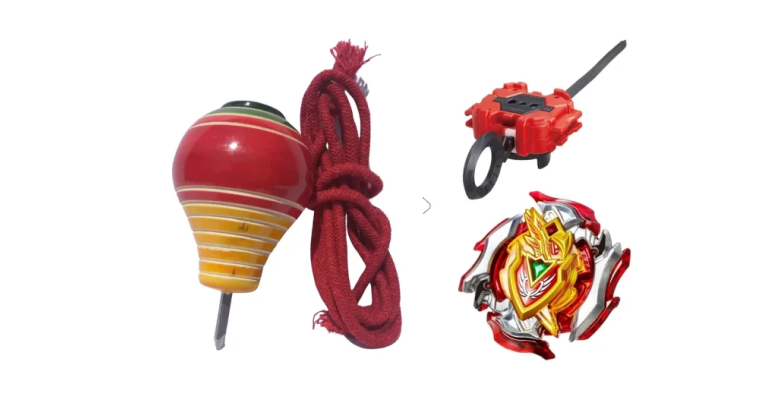
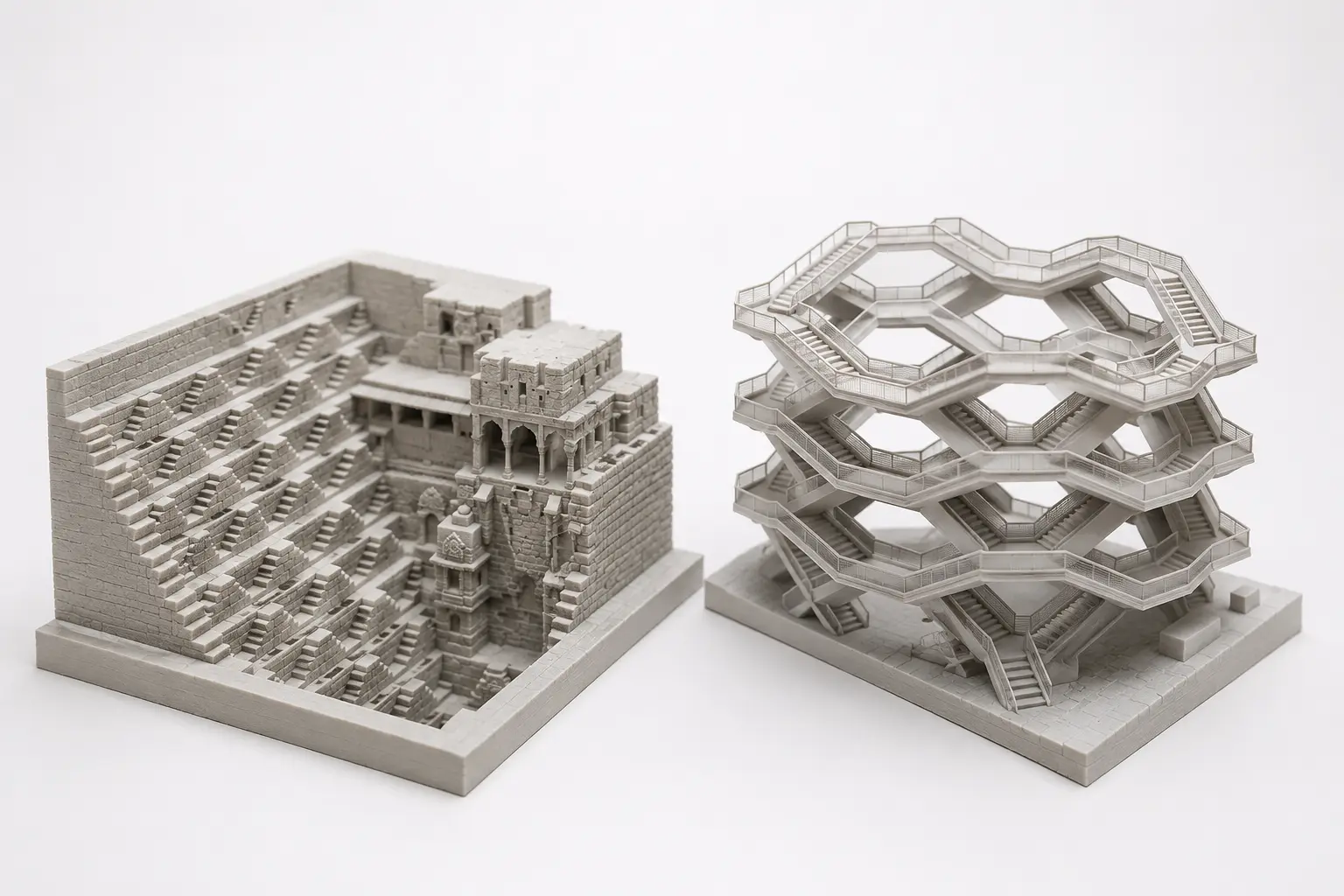
A 5,500 year old lesson in cultural design
Overall, culture plays a vital role in shaping how we design products and services, and designers must take into account the factors that influence consumer preferences and behavior to create successful products and services in different cultural contexts. Cultural differences play a critical role in industrial design, as they can impact how products are perceived, used, and adopted in different cultural contexts. Industrial designers need to be aware of these cultural differences and design products that are culturally relevant and meaningful to users. Cultural differences can affect various aspects of product design, including functionality, aesthetics, sustainability, and social responsibility. By considering these cultural differences, designers can create products that are more effective in addressing the needs and preferences of diverse cultural groups. This can lead to increased user acceptance, better user experience, and more successful products in the global market.
Best practices for designing for a local audience
It’s important to note that while designing for a local audience, their preferences and needs should be taken into account, but it does not necessarily mean that the local audience is always right. Designers should consider the needs of the local audience, but they should also balance those needs with other factors such as the goals of the product or service, technical feasibility, and other design considerations.
Here are some ways to design for local audiences when the product needs to have a global footprint
- User research: Spending time during the design phase to study the user demographics and develop user personas can provide valuable insights into product usage by local audiences.
- Role playing: Taking the user research to the next level, the design team can develop user personas and role play those personas. This activity can unlock previously hidden challenges and problems in the user experience.
- Perform pilot studies: Asking local consumers to use the product for a short period of time before launching the product can serve as a way to look into cultural challenges that users face, but may have been overlooked by designers. Pilot studies can also validate design features and functionalities and lead to a more successful product.
- Creating local variants: Creating a variant of the product for the local market is another way to design products which have global adoption but are affected by cultural differences across geographies. Electrical appliances are designed for the target country’s wall outlets and voltage standards. The same appliance can be sold in a different country by creating another version of the product with a different power socket and regulator.
- Creating a global product: Incorporating all cultural requirements can be easier in some products where cultural differences don’t have a major impact on the user experience. Water bottles, for example, are not majorly impacted by cultural and demographic differences. A water bottle designed for one part of the world can most certainly be sold in any other part of the world with minimal to no changes in the product design.
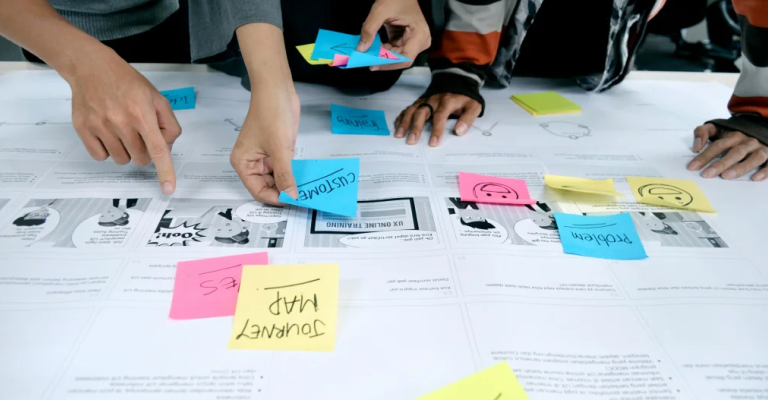
FAQ
Conclusion
Designing for a local audience does not mean that the design should be exclusive to that audience. Products and services designed for a local audience can also be successful in other markets if they are well-designed and meet the needs of a broader audience.
We hope these tips help you in designing products for your target audience and increase your product adoption metrics. The design team at Analogy uses multiple research methodologies to identify cultural aspects of a product’s design. Dostea is one such example, of a product we designed for Indians/Indian origin people settled in Europe and North America. Discover how we designed Dostea, a machine for tea making.
Building for a market you don't live in? That's exactly what we do, see how we work with founders worldwide.